Enterprises today walk a tightrope between legacy systems, silos, and rigid integrations on one side, and the rapid pace of innovation, AI, and evolving customer demands on the other. SAP Business Technology Platform (BTP) provides a strong foundation to bridge this gap. Success, however, depends on strategy. This enterprise playbook outlines four actionable plays showing how Incture and SAP BTP solutions help overcome key challenges and deliver scalable business outcomes.
Enterprises today walk a tightrope between legacy systems, silos, and rigid integrations on one side, and the rapid pace of innovation, AI, and evolving customer demands on the other. SAP Business Technology Platform (BTP) provides a strong foundation to bridge this gap. Success, however, depends on strategy. This enterprise playbook outlines four actionable plays showing how Incture and SAP BTP solutions help overcome key challenges and deliver scalable business outcomes.
Supplier collaboration is vital for supply chain success, yet many enterprises still rely on outdated tools, legacy systems, manual workflows, and disconnected interfaces, that limit efficiency and agility. As supply chains grow and supplier maturity varies, businesses need supplier portal solutions that redefine collaboration. A modern Supplier Portal Solution built on SAP BTP integrates automation and data intelligence, enabling seamless, future-ready supplier management and delivering measurable outcomes with Incture’s expertise.
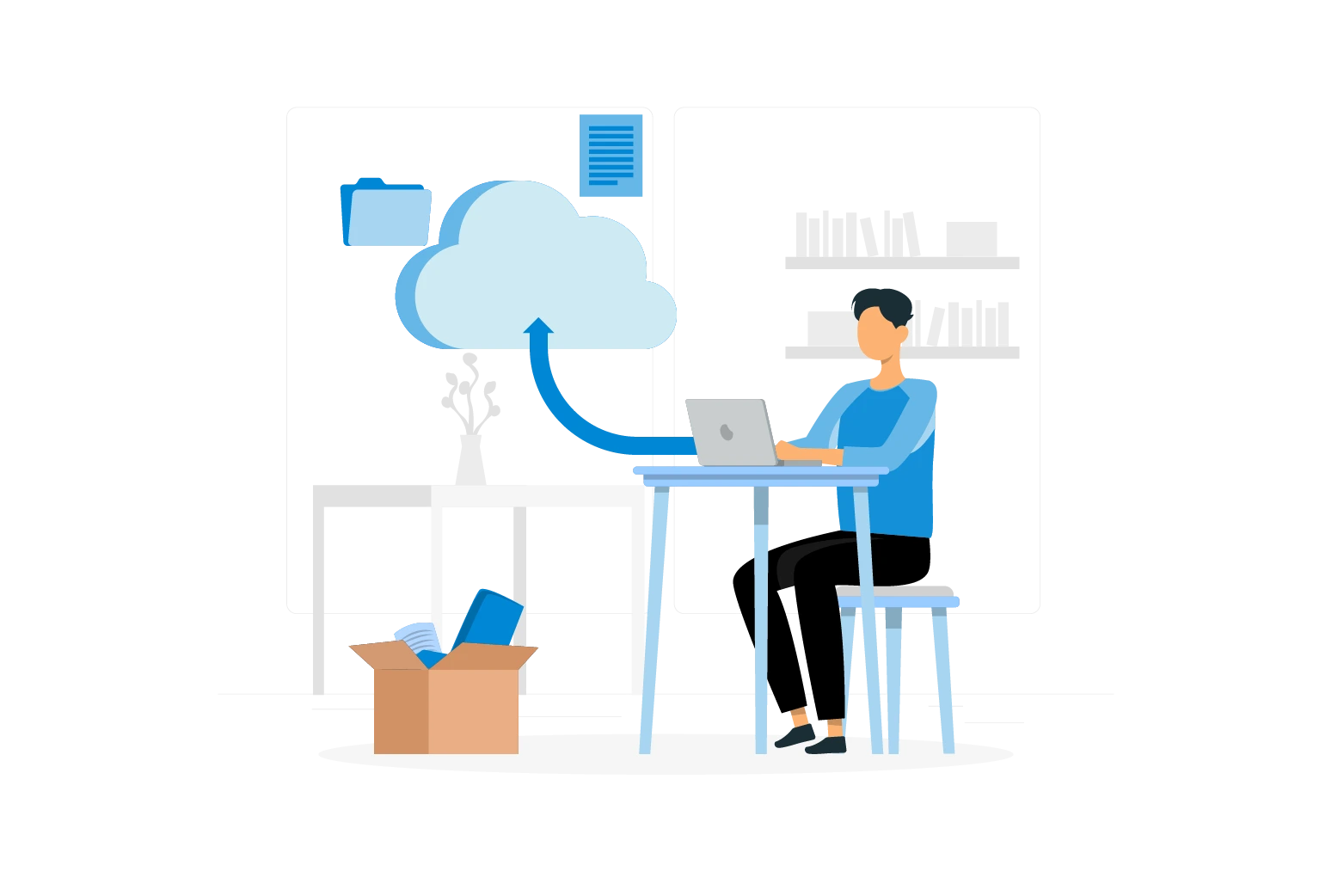
Enterprises often face data challenges – information scattered across SAP and non-SAP systems, difficult integrations, and delayed decisions. SAP Business Data Cloud (BDC) solves this by combining trusted data with AI and business semantics. It connects diverse sources, preserves context, and turns information into insights. With Incture’s expertise, enterprises can unlock the full potential of SAP BDC for smarter outcomes.
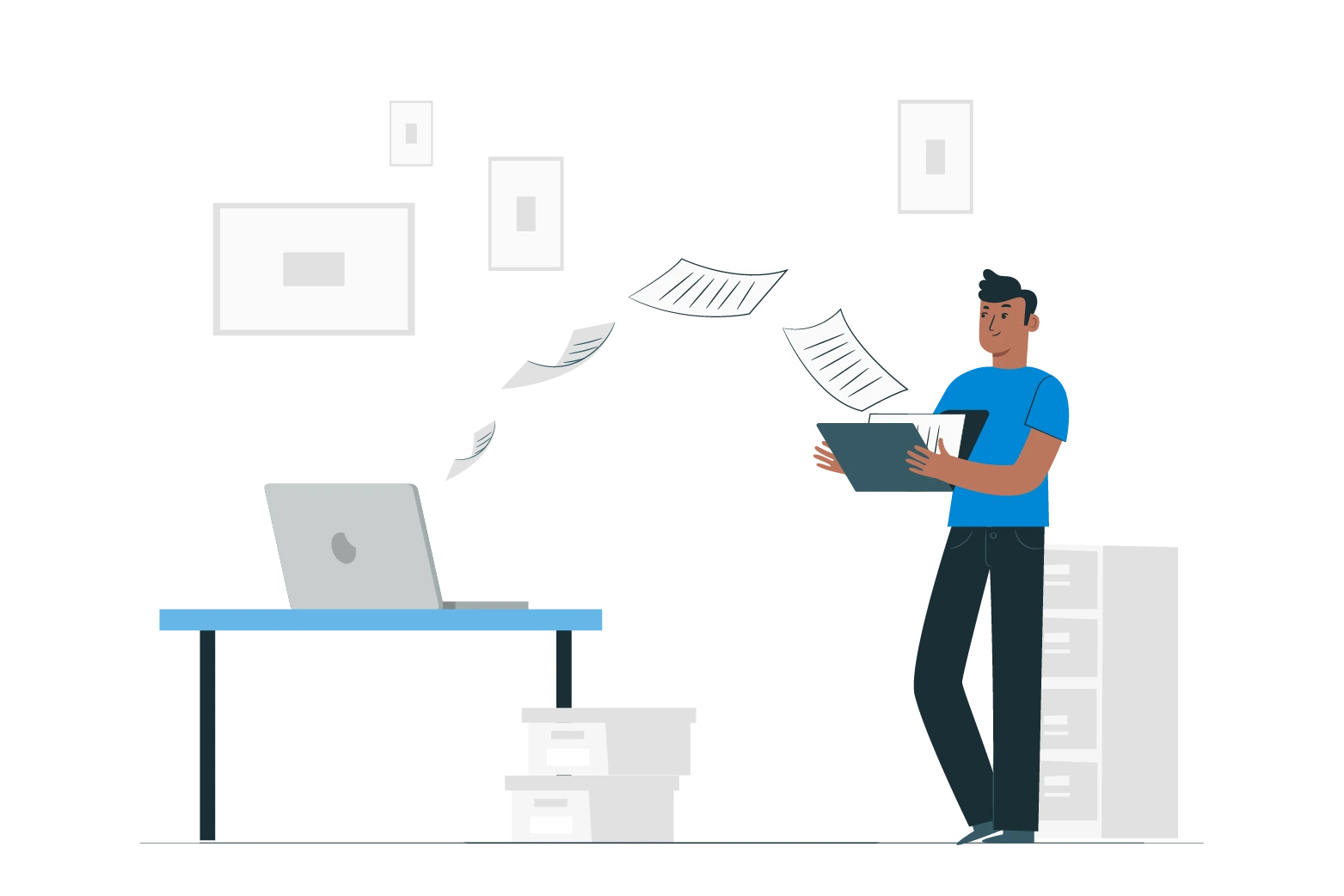
Organizations today run on diverse applications, cloud platforms, and data systems. Managing integrations across SAP and non-SAP environments while ensuring security and efficiency can be complex. SAP Integration Suite provides a unified platform to connect applications, data, and processes. Powered by SAP technology and Incture’s expertise, it helps enterprises modernize integrations, migrate from legacy systems, and build a connected, intelligent enterprise.