





















































Four Outcomes Every Supplier Portal Should Deliver
WRITTEN BY
Incture
14th October 2025
SAP Business Technology Platform
Supplier collaboration has long been a cornerstone of supply chain success. Yet many enterprises are still limited by outdated collaboration tools, legacy applications, email-heavy workflows, and disparate interfaces, that hinder efficiency, transparency, and agility. As supply chains expand globally and suppliers vary in their digital maturity, businesses need supplier portal solutions that don’t just patch over inefficiencies but fundamentally reimagine how collaboration happens.
That’s where a modern supplier portal built on SAP Business Technology Platform (SAP BTP) comes in. By combining integration, automation, and data intelligence, SAP BTP provides the foundation for digital supplier management that is not only seamless but future-ready. Working with Incture, organizations have been able to translate this promise into tangible outcomes that move the supply chain forward.

Why SAP BTP is the Foundation for Supplier Collaboration
Supplier collaboration software requires more than just a portal. It demands a platform that can integrate systems, connect partners, and support innovation at scale. SAP Business Technology Platform (SAP BTP) is that foundation. By unifying data management, integration services, application development, and analytics, SAP BTP enables enterprises to build supplier portal solutions that are not only functional but transformative.
Key capabilities that directly support supplier collaboration software include:
- a) Integration Services to connect suppliers, freight forwarders, and internal teams to SAP ERP or SAP S/4HANA in real time.
- b) Workflow and Automation to embed approval processes, quality checks, and shipment updates directly into the portal.
- c) Data Intelligence and Analytics for improving forecast accuracy and supplier performance monitoring.
- d) Extensibility to adapt quickly as supply chain needs evolve, without disrupting the core ERP.
For enterprises, this means supplier portal solutions aren’t static applications. They are scalable ecosystems that evolve alongside business priorities. Incture has leveraged SAP BTP to help organizations replace rigid legacy systems with digital-first solutions that are agile, intelligent, and future-ready.
Here are four outcomes every supplier portal should deliver, and how enterprises can achieve them.
1. Enhanced Process Coverage
Legacy supplier collaboration tools often cover only the basics: purchase orders, confirmations, and advance shipment notifications (ASNs). This narrow scope forces planners and suppliers to fall back on emails, calls, and spreadsheets for everything else. The result? Gaps in communication, duplicate entries, and increased risk of errors.
A digital supplier management portal needs to extend coverage far beyond the essentials with procurement automation. Modern portals built on SAP BTP provide functionality for:
- a) Purchase order confirmations with full line-item detail
- b) Production process tracking so planners know when goods are being manufactured, and any delays can be flagged immediately
- c) Shipment scheduling and quality control bookings within the same workflow
- d) Direct supplier updates to eliminate long back-and-forth communication loops
Incture’s work with global consumer products companies demonstrates how widening process coverage can create a more connected supplier ecosystem. By building an end-to-end solution on SAP BTP, organizations can unify workflows, create a single point of supplier access, and ensure nothing slips through the cracks.
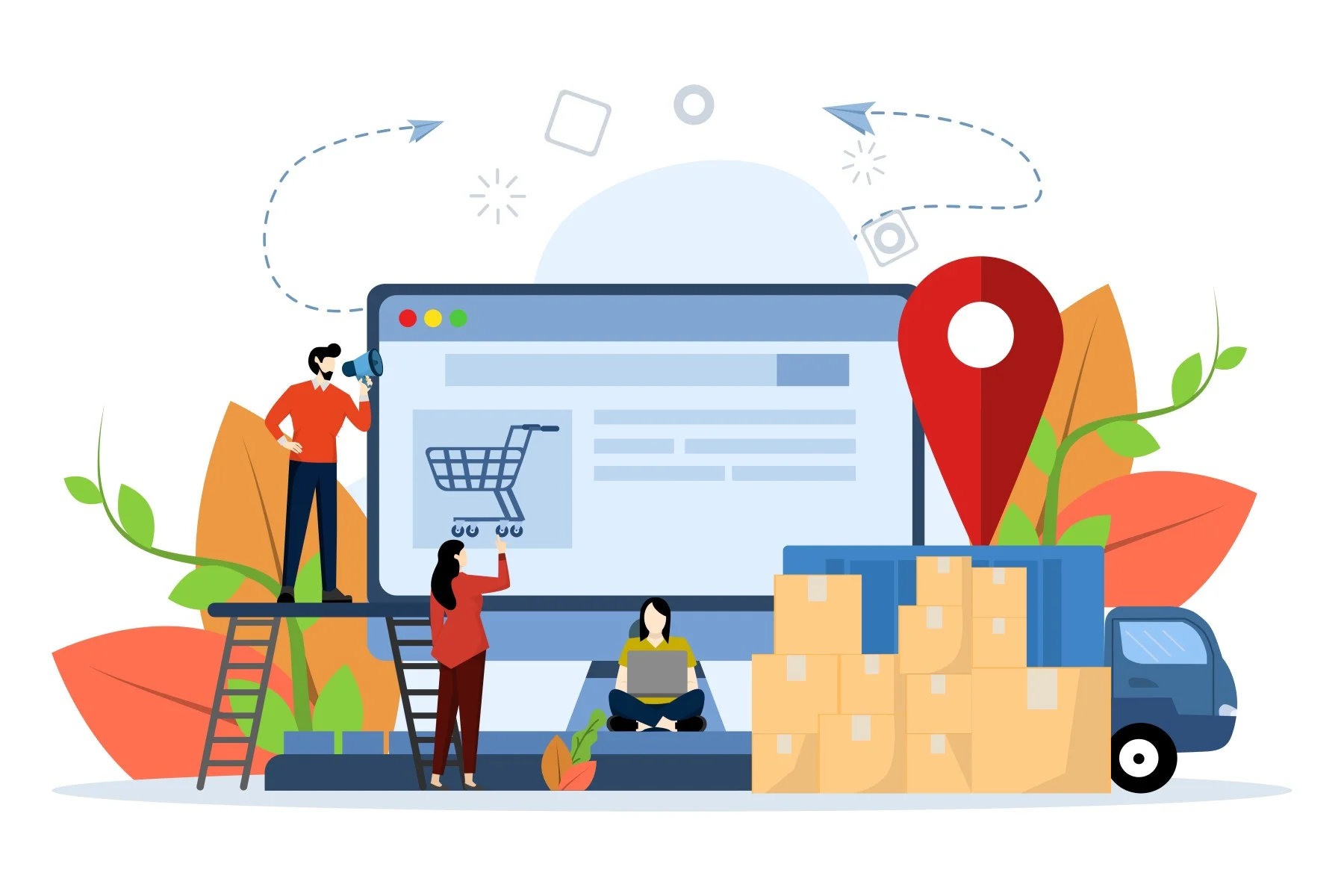
2. Future-Proof Integration with SAP S/4HANA
Many organizations hesitate to invest in modern supplier collaboration because they fear compatibility issues during or after their migration to SAP S/4HANA. Supplier portals that run on legacy systems often require heavy customization, creating additional maintenance burdens and limiting flexibility when ERP landscapes evolve.
Building on SAP BTP eliminates this risk. The platform is designed for native integration with SAP ERP and SAP S/4HANA environments, meaning supplier collaboration can evolve without disruption as core systems advance. Enterprises can:
- a) Rely on OData APIs and integration services to synchronize purchase orders, ASNs, and inbound deliveries
- b) Connect freight forwarders, quality control teams, and production teams through one architecture
- c) Scale supplier collaboration features in lockstep with broader SAP transformation initiatives
For Incture, this future-proofing has been central to every supplier collaboration engagement. By architecting portals that are inherently S/4HANA-ready, enterprises ensure today’s investment won’t become tomorrow’s technical debt.
3. Real-Time Visibility
Supply chain collaboration tools often lag behind. When suppliers update order statuses or production details through manual channels, planners may not see changes for hours, or even days. This delay introduces risks: unanticipated shortages, missed shipments, or overstocking.
A modern B2B supplier portal should deliver real-time visibility across all purchase order and shipment touchpoints. On SAP BTP, planners gain immediate insights into:
- a) Order line-item status as confirmed by suppliers
- b) Production updates such as completion dates or potential delays
- c) Shipment progress including freight forwarder assignments and QC booking status
- d) Inventory confirmations and inbound delivery tracking
Incture’s implementations have shown how real-time visibility transforms the way planners and cross-functional teams work. With a BTP-powered portal, stakeholders no longer need to chase updates. They can act proactively, guided by live data that reflects supplier actions as they happen.
4. Reduction of Manual Activities
Manual processes don’t just waste time; they introduce risk. Activities such as purchase order prioritization, quality control scheduling, or inspection bookings are often handled through emails, spreadsheets, or even phone calls. Each manual step creates room for errors, delays, and inefficiencies.
A supplier portal built on SAP BTP can automate these processes natively. For example:
- a) PO prioritization logic can be embedded directly into workflows
- b) QC bookings can be automatically scheduled once shipment updates are logged
- c) Inspection activities can be system-driven rather than manually coordinated
For Incture, reducing manual activities has meant more than cost savings. It’s about freeing supply chain teams from routine tasks so they can focus on higher-value decision-making. By embedding automation within collaboration workflows, enterprises shift from reactive firefighting to proactive supply chain management.
The value of these outcomes isn’t theoretical. Incture recently partnered with a global consumer products leader to modernize its supplier collaboration. Read more here.
Beyond Outcomes: The Strategic Advantage
By delivering enhanced process coverage, future-proof integration, real-time visibility, and reduced manual activities, supplier portals become enablers of resilience and agility. They support stronger supplier partnerships, help organizations adapt quickly to disruptions, and provide the digital backbone for continuous innovation.
For organizations seeking to make this leap, the combination of SAP BTP’s capabilities and Incture’s proven delivery model provides a practical, scalable pathway. With accelerators, co-innovation frameworks, and deep supply chain expertise, Incture helps enterprises go beyond short-term fixes to build digital-first supply chains that endure.

Conclusion
Supplier collaboration is no longer a “nice to have.” It’s a differentiator in an era where agility and resilience determine competitive advantage. A supplier portal that delivers these four outcomes (enhanced process coverage, future-proof integration, real-time visibility, and reduction of manual activities) is not only a solution for today’s challenges but an investment in tomorrow’s growth.
With SAP BTP as the foundation and Incture as the transformation partner, enterprises can achieve supplier collaboration that is as intelligent and adaptive as the markets they serve.
Reference links
