











































Which KPIs and Business Outcomes can You Expect When Modernizing Your SAP BW System?
WRITTEN BY
Incture
8th January 2026
SAP Business Warehouse Modernization

What Is SAP Business Warehouse and Why Modernize It?
SAP BW is SAP’s enterprise data warehousing platform that consolidates transactional and operational data for reporting and analytics. Traditional on-premise deployments introduce architectural and operational challenges that affect business responsiveness.
Key limitations of legacy SAP Business Warehouse
- High infrastructure and upgrade costs
- Complex data models that slow analytics
- Limited scalability as data volumes increase
- Heavy IT dependency for reporting changes
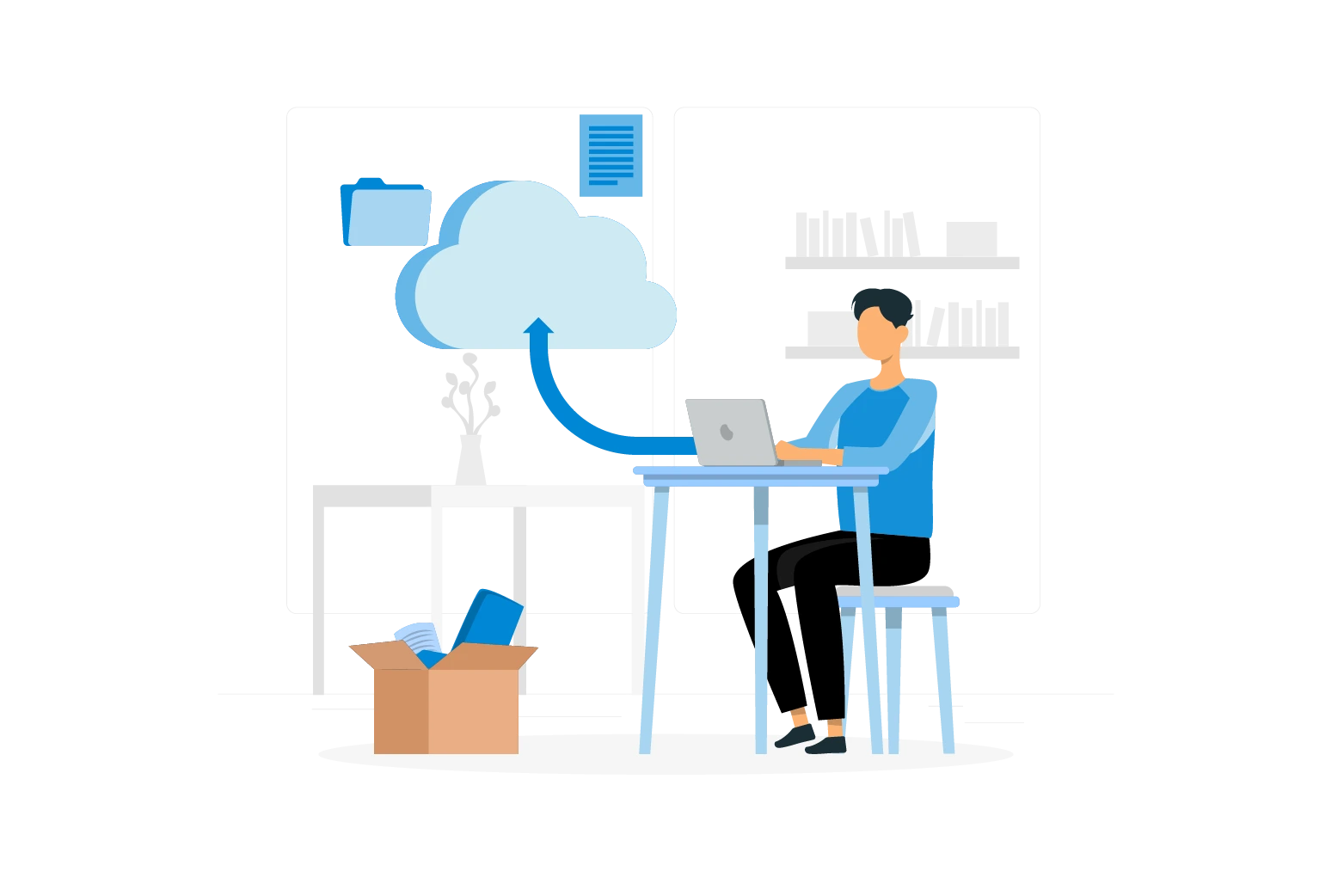
Modernizing SAP BW improves analytics speed, reduces operational overhead, and supports cloud scalability. Moving toward SAP Business Data Cloud aligns the platform with real-time analytics and future analytics requirements.
What Does SAP Business Warehouse (SAP BW) Modernization Involve?
SAP BW modernization includes architectural, technical, and governance improvements that enhance data usability and system efficiency.
Core components of SAP BW modernization
- Platform readiness assessment and system health checks
- Version compatibility validation and upgrade planning
- Reduction of unused objects to lower system footprint
- Transition planning toward SAP Business Data Cloud
Modernization preserves valuable data models while preparing the system for cloud scalability, advanced analytics, and AI-supported use cases. This approach supports SAP modernization goals without disrupting ongoing operations.

Which KPIs Improve the Most After SAP BW Modernization?
SAP BW modernization KPIs provide direct evidence of system improvement by comparing baseline metrics before and after modernization. These indicators help enterprises quantify gains across performance, reliability, and operational efficiency.
Performance-focused KPIs
- Query response times improve as optimized data models and cloud computing reduce processing latency
- Data load durations shorten due to simplified extraction and transformation logic
- System availability increases with reduced batch failures and improved processing stability
Operational and cost KPIs
- Infrastructure cost per data volume declines as hardware dependency reduces
- IT effort per report decreases as business users access governed data more easily
- Reporting backlog volume drops due to faster development and refresh cycles
These KPIs for SAP Business Data Warehouse modernization clearly demonstrate technical progress and operational value.
Key Business Outcomes of Modernizing Your SAP BW System
Business outcomes SAP BW modernization delivers are tied directly to how analytics supports enterprise decision-making and cost management.
Business-level results organizations experience
- Lower total cost of ownership through reduced maintenance and upgrade effort
- Faster insight delivery across finance, supply chain, and commercial functions
- Consolidation of siloed data sources into a unified analytics foundation
- Improved scalability that supports growth without performance trade-offs
Modernized architecture supports ROI from SAP BW cloud migration by aligning analytics investment with measurable business efficiency gains.
How SAP BW Modernization Improves Reporting and Dashboard Experience
a) Improvements in reporting performance and usability
- Faster query execution supports near real-time operational and management reporting through optimized data consumption in SAP Datasphere
- Standardized semantic layers improve consistency across dashboards and reports built in SAP Analytics Cloud
- Reduced manual data preparation increases trust in analytics outputs
- Building Dashboards in SAP BW becomes less dependent on IT intervention, enabling faster updates while maintaining data accuracy as SAC enables business users to consume curated datasets more efficiently
b) Governance-driven reporting benefits
- Centralized semantic layers in SAP Datasphere ensure a single, consistent version of enterprise metrics
- Reduced reconciliation effort improves reporting efficiency across teams consuming analytics in SAC
- Improved audit readiness results from standardized data definitions and traceable reporting logic
SAP BW KPIs related to reporting accuracy, consistency, and user trust show sustained improvement as governance models mature within the modernized environment.

KPI Framework: How to Measure Success After SAP BW Modernization
A structured KPI framework ensures modernization success remains measurable beyond go-live.
Core technical KPIs
- Query runtime benchmarks measure improvements in data processing efficiency and system responsiveness
- Data load completion rates indicate reliability across extraction and transformation processes
- System uptime and processing stability reflect platform resilience and reduced operational disruptions
Business and adoption KPIs
- Report delivery cycle time tracks how quickly insights are delivered to business users
- Analytics usage and self-service adoption measure engagement with the modernized analytics environment
- Decision turnaround time linked to reporting availability reflects the business impact of improved analytics access
This framework supports continuous tracking of KPIs to measure BW modernization outcomes and aligns analytics performance with business impact.
Challenges in SAP BW Modernization and How to Overcome Them
SAP BW modernization presents technical and organizational challenges that require structured execution.
Common challenges enterprises face
- Complex legacy customizations
- Large historical data volumes
- Limited system documentation
- Risk of business disruption
How these challenges are addressed
- Detailed platform assessment and readiness planning
- Phased migration with controlled risk
- Selective retention of high-value BW assets
Incture supports modernization through proven frameworks that reduce risk while maintaining business continuity. Request an assessment with Incture to evaluate current KPIs, identify improvement areas, and plan a structured transition to SAP Business Data Cloud.
Best Practices for a Successful SAP BW Modernization Journey
Recommended best practices
- Define business-aligned KPIs before initiating modernization
- Conduct early system cleanup to reduce complexity and cost
- Preserve reporting continuity through phased transition planning
- Strengthen data governance alongside technical changes
Incture applies an end-to-end SAP BW modernization framework that covers assessment, transformation, and innovation phases. This structured approach enables enterprises to realize the benefits of modernizing SAP BW system investments while maintaining operational stability and analytics continuity.
FAQ
1) What does SAP BW modernization involve, and why do companies need it?
SAP BW modernization involves updating architecture, data models, and governance from legacy BW to SAP Business Data Cloud (BDC) to support cloud deployment and faster analytics. Companies pursue modernization to reduce operational costs, improve performance, and enable analytics capabilities that legacy environments cannot efficiently support.
2) What KPIs should be measured during SAP BW modernization?
KPIs to measure SAP BW include query performance, data load duration, infrastructure cost reduction, reporting cycle time, system availability, and user adoption. These KPIs for SAP BW modernization track both technical and business impact.
3) What are the key business benefits of modernizing a SAP Business Warehouse system?
Benefits include lower maintenance costs, faster analytics delivery, simplified architecture, improved reporting consistency, and stronger ROI in SAP BW cloud migration outcomes.
4) How does SAP BW modernization impact data quality and governance KPIs?
Modernization improves governance through standardized data models and centralized semantic layers. Data quality KPIs show gains in accuracy, consistency, and audit readiness.
5) Do I need to rebuild my dashboards when modernizing SAP BW?
Most dashboards can be retained and extended. Modernizing SAP BW focuses on optimizing data layers, allowing existing dashboards to benefit from better performance and fresher data.
Conclusion
Incture’s SAP BW modernization capabilities support this transition through assessment-driven planning, controlled execution, and sustained analytics improvement. Book a consultation with our experts to see how Incture supports SAP BW modernization with measurable KPIs, faster reporting, and a cloud-ready SAP Business Data Cloud foundation.
