












































SAP BusinessObjects at a Crossroads: How to Decide Whether to Modernize, Migrate, or Fully Transform
WRITTEN BY
Incture
13th January 2026
SAP Business Objects analytics
Many enterprises continue to rely on SAP Business Objects analytics to support financial reporting, operational oversight, and regulatory compliance. Years of investment have made these environments deeply embedded in daily decision-making. At the same time, expectations around analytics have shifted. Business users now look for faster insights, broader data access, and analytics that support planning and forward-looking scenarios.
This combination places organizations at a clear decision point. SAP BusinessObjects is not disappearing, but maintaining the status quo is becoming harder to justify. Aging platforms, rising operational costs, and limited readiness for advanced analytics are forcing leaders to evaluate their next steps. The question is no longer whether change is needed, but how much change makes sense based on business priorities, technical readiness, and long-term analytics goals.
This blog examines the real factors that should guide that decision, drawing on enterprise patterns seen across SAP landscapes.

Why SAP BusinessObjects Still Matters, and Why Standing Still Is Risky
For many enterprises, SAP Business Intelligence environments remain mission-critical. Web Intelligence and Crystal Reports continue to power close, audit, supply chain, and executive reporting processes. These reports are often tightly governed, deeply customized, and trusted across the organization.
SAP has provided long-term visibility into SAP BusinessObjects support, which has allowed organizations to stabilize their reporting operations. Incture frequently works with enterprises that depend on these systems for regulated and high-volume reporting, where continuity and accuracy are non-negotiable.
At the same time, long-term reliance on older deployments introduces risk. On-premise systems demand ongoing infrastructure support, manual upgrades, and specialized skills. Older versions increase security exposure and restrict integration with newer SAP data platforms. Static reporting models also limit the ability to respond quickly to business changes or explore predictive and scenario-based analysis.
Standing still may preserve familiarity, but it steadily reduces flexibility and narrows future analytics options.
Understanding the Three Strategic Paths Forward
1. Modernize the Existing Environment
Modernization focuses on upgrading and optimizing what already exists while preserving core reporting structures.
2. Migrate with a Lift-and-Shift Approach
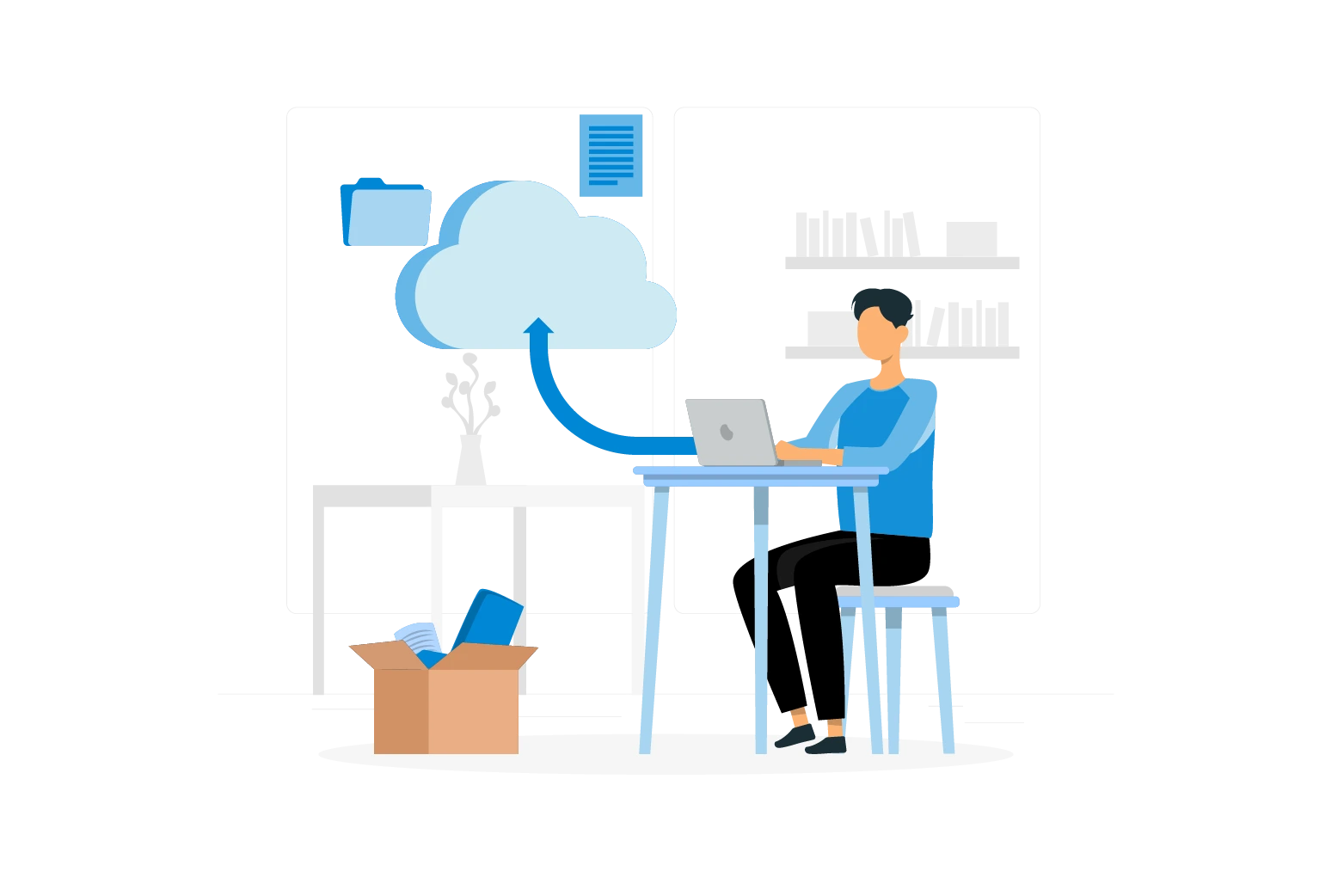
Migration moves current environments to cloud infrastructure with minimal functional change.
3. Move to a Cloud-Native Analytics Model
Transformation shifts analytics to platforms designed for integrated planning, analysis, and advanced insights.
Understanding the scope and implications of each path is essential before committing to a direction.

Path One: Modernizing What You Have
1. When Upgrade and Optimization Make Sense
SAP BOBJ reporting modernization is often the right choice for organizations that depend heavily on existing reports and need operational stability. This approach focuses on upgrading to supported versions, optimizing content, and reducing system complexity without changing how users consume reports.
Incture typically begins this path with a structured landscape assessment. This helps identify unused or redundant content, dependency risks, and opportunities to improve performance while preserving existing access controls and governance models.
2. Key Benefits and Constraints
Modernization reduces maintenance effort, addresses security concerns tied to aging software, and improves reliability. It also allows enterprises to extend the life of their current investments while planning next steps.
However, this path does not change the core nature of analytics consumption. Reporting remains descriptive, and advanced capabilities such as planning or predictive insights remain outside the scope. For many organizations, modernization becomes a necessary first step rather than a final state.
Path Two: Lift-and-Shift Migration to the Cloud
1. What Lift-and-Shift Really Achieves
SAP BOBJ migration through a lift-and-shift approach focuses on relocating existing environments to cloud infrastructure with minimal functional change. Reporting logic, user workflows, and security models are largely retained.
Incture supports this path for organizations pursuing data center exit strategies or infrastructure standardization, where minimizing business disruption is a primary concern.
2. Trade-Offs to Consider
Lift-and-shift reduces hardware ownership and simplifies infrastructure operations. At the same time, it does not address reporting design limitations or data model fragmentation. Static reports remain static, and opportunities for broader analytics expansion remain limited.
For many enterprises, this approach serves as a transitional step while a longer-term analytics roadmap is defined.
Path Three: Moving to a Cloud-Native Analytics Model
1. Redefining How Analytics Supports the Business
A cloud-native analytics model represents a larger shift in how data supports decision-making. Moving reporting and analytics to SAP Analytics Cloud within SAP Business Data Cloud brings planning, analysis, visualization, and collaboration together on a single platform.
Incture approaches this transition through a phased execution model. Core reports are assessed first, pilot content is converted and validated, and broader adoption follows once business confidence is established.
2. Preparing for Advanced Analytics and AI
This model also prepares enterprises for SAP Business AI use cases. Unified data models and cloud-based analytics make automated insights, forecasting, and scenario analysis more accessible across business functions.
Transformation requires careful planning. Reports must be redesigned, users must be enabled, and governance must be preserved. A phased approach helps organizations maintain reporting continuity while expanding analytics capabilities over time.

Common Mistakes Organizations Make When Choosing a Path
Organizations often struggle not because of the path they select, but because decisions are made too quickly or without sufficient analysis.
Common issues include treating all reports as equal, underestimating custom logic in WebI and Crystal Reports, and focusing on tools before defining analytics use cases. Some organizations also overlook user adoption, leading to parallel reporting systems and inconsistent metrics.
A structured assessment that evaluates business usage, technical complexity, and future readiness helps avoid these pitfalls and supports more confident decision-making.
Aligning Your Analytics Roadmap with Enterprise Needs for 2026 and Beyond
1. What Enterprises Will Expect from Analytics
Enterprise analytics expectations are expanding. Business users increasingly expect self-service access, integrated planning, and faster insights that span SAP and non-SAP data sources. Hybrid environments are becoming the norm as organizations transition at different speeds.
Incture helps enterprises design analytics roadmaps that support coexistence between SAP Business Objects analytics and newer cloud platforms, without disrupting critical reporting processes.
2. Positioning SAP BusinessObjects Within a Broader Strategy
Rather than viewing SAP BusinessObjects as an all-or-nothing decision, many organizations are segmenting analytics workloads. High-volume or regulated reports may remain on BOBJ, while planning and exploratory analysis move to cloud-native tools. This balanced approach preserves stability while supporting long-term analytics growth.
The Role of a Structured, Partner-Led Framework
Pilot-driven validation, controlled content migration, and post-transition support help ensure that analytics platforms are adopted and trusted. This approach allows organizations to move forward with confidence rather than disruption. Build a clear analytics roadmap with Incture’s structured approach to SAP BusinessObjects modernization and cloud transition. Talk to us now!
Choosing the Right Path Starts with Clarity
With a clear assessment and a structured roadmap, enterprises can protect existing reporting while preparing for future analytics needs. Supported by Incture’s experience across SAP analytics landscapes, organizations can make informed decisions that keep SAP Business Objects analytics valuable well into the future.
Evaluate your SAP BusinessObjects landscape with an expert-led assessment from Incture to determine whether modernization, migration, or transformation is the right next step.
