












































Migrating from MuleSoft to SAP Integration Suite: What Enterprises Need to Know
WRITTEN BY
Incture
22nd September 2025
SAP, Mulesoft Migration
In the digital economy, enterprises rely on integration platforms to connect applications, data, and processes across increasingly hybrid and complex environments. Integration is no longer a back-end IT function; it directly impacts customer experiences, operational efficiency, and the pace of innovation.
Many organizations that adopted MuleSoft in the past are now re-evaluating its role in their integration landscape. The primary drivers? Rising costs, limited connectivity breadth beyond the Salesforce ecosystem, and the need for faster, more scalable innovation. For such enterprises, MuleSoft migration to SAP Integration Suite represents an opportunity to achieve higher value, lower costs, and greater agility.
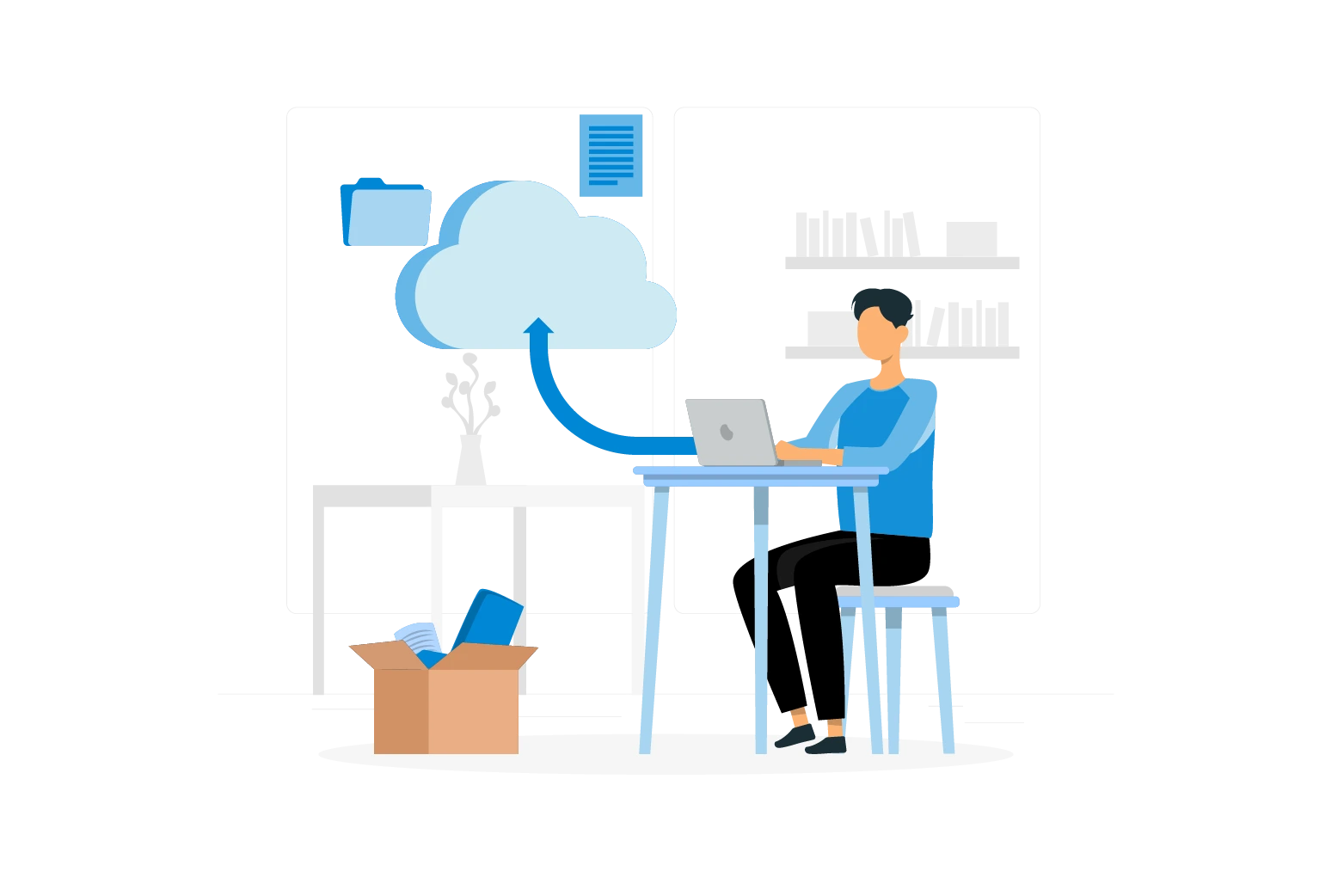
This blog explores why enterprises are making the switch, compares the strengths of both platforms, and provides a practical guide on how to migrate MuleSoft to SAP Integration Suite.

Why Enterprises Are Considering Migration
The decision to move away from MuleSoft often comes down to a combination of financial and strategic factors.
- a) Licensing Costs: MuleSoft operates on a high per-API subscription model. As integration demands scale, so do the costs sometimes unpredictably. In contrast, SAP Integration Suite follows a flexible, consumption-based model where organizations only pay for what they use.
- b) Connectivity Beyond Salesforce: While MuleSoft is well-aligned with Salesforce, enterprises typically run on a diverse IT estate. SAP Integration Suite supports a broader spectrum of systems both SAP and non-SAP through open adapters such as JDBC, FTP, Kafka, REST, and SOAP, along with robust third-party integrations.
- c) Governance and Monitoring: As integration footprints grow, visibility and compliance become essential. SAP Integration Suite offers native, end-to-end monitoring and governance features. MuleSoft, in comparison, often requires integration with external tools like Splunk or ELK, which adds to operational overhead.
- d) Low-Code Agility: Business users want more direct control over integrations. SAP Integration Suite offers low-code features and the Integration Advisor, reducing reliance on scarce development resources. MuleSoft’s steeper learning curve makes it less accessible outside specialized IT teams.
These challenges, coupled with the enterprise need for speed, scalability, and cost efficiency, are pushing CIOs and integration leaders to consider middleware migration from MuleSoft to SAP.
Comparing MuleSoft and SAP Integration Suite
1. Connectivity Breadth
SAP Integration Suite enables enterprises to connect not only SAP applications but also non-SAP systems using pre-built open adapters. This broader reach ensures flexibility across ecosystems. MuleSoft, while strong in Salesforce, often requires paid connectors or custom development to integrate with other systems, leading to higher effort and cost.
2. Monitoring & Visibility
SAP Integration Suite provides embedded monitoring across integration flows. IT teams gain real-time, holistic visibility without external add-ons. MuleSoft’s model often pushes enterprises toward third-party monitoring tools, increasing complexity and costs.
3. Usability & Low-Code Features
With SAP’s Integration Advisor and low-code environment, enterprises can democratize integration. Business users and citizen developers can take part in mapping and configuration tasks. MuleSoft, however, typically requires deeper technical expertise, slowing down delivery and increasing dependence on specialized developers.
4. Accelerators & Governance
The SAP Business Accelerator Hub provides industry-specific, pre-packaged content that speeds up implementation and reduces customization needs. MuleSoft offers fewer out-of-the-box accelerators, meaning enterprises often spend more time building custom integrations.
Taken together, these differences highlight why enterprises are increasingly choosing SAP Integration Suite for seamless enterprise connectivity.

Migration Considerations for Enterprises
A move from one integration platform to another is never just a technical exercise—it’s a strategic transformation. Key considerations include:
- a) Complexity of Middleware Migration: Understanding the breadth and depth of current MuleSoft integrations is critical. Migrating API logic, connectors, and orchestration requires a structured approach.
- b) Data Integrity and Validation: Ensuring that no data is lost or corrupted during migration must be a top priority, especially in regulated industries.
- c) Testing and Risk Management: Automated testing frameworks can accelerate validation while reducing human error. Enterprises should plan pilots for low-risk use cases before scaling.
- d) Business Continuity: The migration plan must minimize disruption to business operations, ensuring critical processes continue uninterrupted.
Strategic Alignment: Integration roadmaps must tie back to broader IT modernization and digital transformation strategies. Migration is not just about reducing costs, it’s about future-proofing enterprise integration.
How to Migrate MuleSoft to SAP Integration Suite
For enterprises wondering the best way to migrate to SAP, a phased approach works best.
- a) Migration Assessment: Conduct a detailed audit of existing MuleSoft integrations, cataloging APIs, connectors, and dependencies.
- b) Identify Reusable Assets: Leverage SAP’s pre-packaged content and accelerators to minimize development effort.
- c) Use Migration Toolkits: Apply automated toolkits, reference architectures, and decision trees to reduce manual work.
- d) Pilot Migration: Start with less critical processes to validate performance, governance, and monitoring.
- e) Scale Confidently: Expand migration across business-critical processes, embedding automation and governance frameworks to sustain growth.
By following these steps, enterprises can reduce risk, accelerate time to value, and ensure that their MuleSoft migration delivers tangible outcomes.

Business Benefits After Migration
- a) Lower Runtime Costs: Enterprises have significantly reduced runtime costs (by as much as 50%) through optimized integrations.
- b) Faster Onboarding: Trading partners and new applications can be integrated twice as fast using partner management solutions.
- c) Improved Compliance: Centralized monitoring strengthens audit readiness and regulatory compliance.
- d) Scalability for Growth: With unified capabilities, API management, Event Mesh, application extensions, and B2B integration enterprises can scale confidently.
- e) Empowered Teams: Low-code tools make integration more inclusive, allowing IT and business teams to collaborate effectively.
These benefits translate into a stronger foundation for digital transformation and long-term competitiveness.
Why Choose SAP Integration Suite with Incture
SAP Integration Suite provides the technical foundation for modern integration, but success depends on execution. This is where Incture brings value. With its proven methodology, accelerators, and experience across industries, Incture helps enterprises maximize outcomes from their migration journey.
Incture’s expertise ensures:
- a) Pre-packaged assets that accelerate deployment.
- b) Risk minimization through automation and validation.
- c) Enhanced monitoring and governance frameworks.
- d) Scalable models that align with enterprise IT strategies.
When combined, SAP’s technology and Incture’s delivery excellence enable organizations to achieve secure, cost-efficient, and scalable enterprise integration.
Conclusion: Make Your Migration Count with Incture
With its breadth of connectivity, embedded monitoring, low-code usability, and pre-packaged accelerators, SAP Integration Suite offers unmatched advantages for modern integration needs. Partnering with Incture ensures that migration is executed with precision, minimizing risks while unlocking new value.
Now is the time to reimagine your integration landscape. The question is no longer if you should migrate, but when.
