
























































Create an API in SAP API Management to upload file without using Postman
WRITTEN BY
This is my first blog post. For the past few months, I have been working on APIs as part of my work. An API is a software intermediary that allows two applications to talk to each other and also various policies can be applied to these APIs. I have created APIs in ‘Create in API designer’ component of SAP API Portal and tested various pre-packaged APIs to understand how they behave.
Introduction:
This blog post describes how to design API to upload file from your system to target system without using Postman. I have configured one iflow in SAP CPI with HTTPS on sender side and FTP adapter on receiver side. I have triggered that iflow from SAP API management to send file to target end point of iflow.
Prerequisites:
Access to SAP API Portal and SAP CPI (Cloud Platform Integration).
Host server url.
Target server url.
Steps to be followed to upload file.
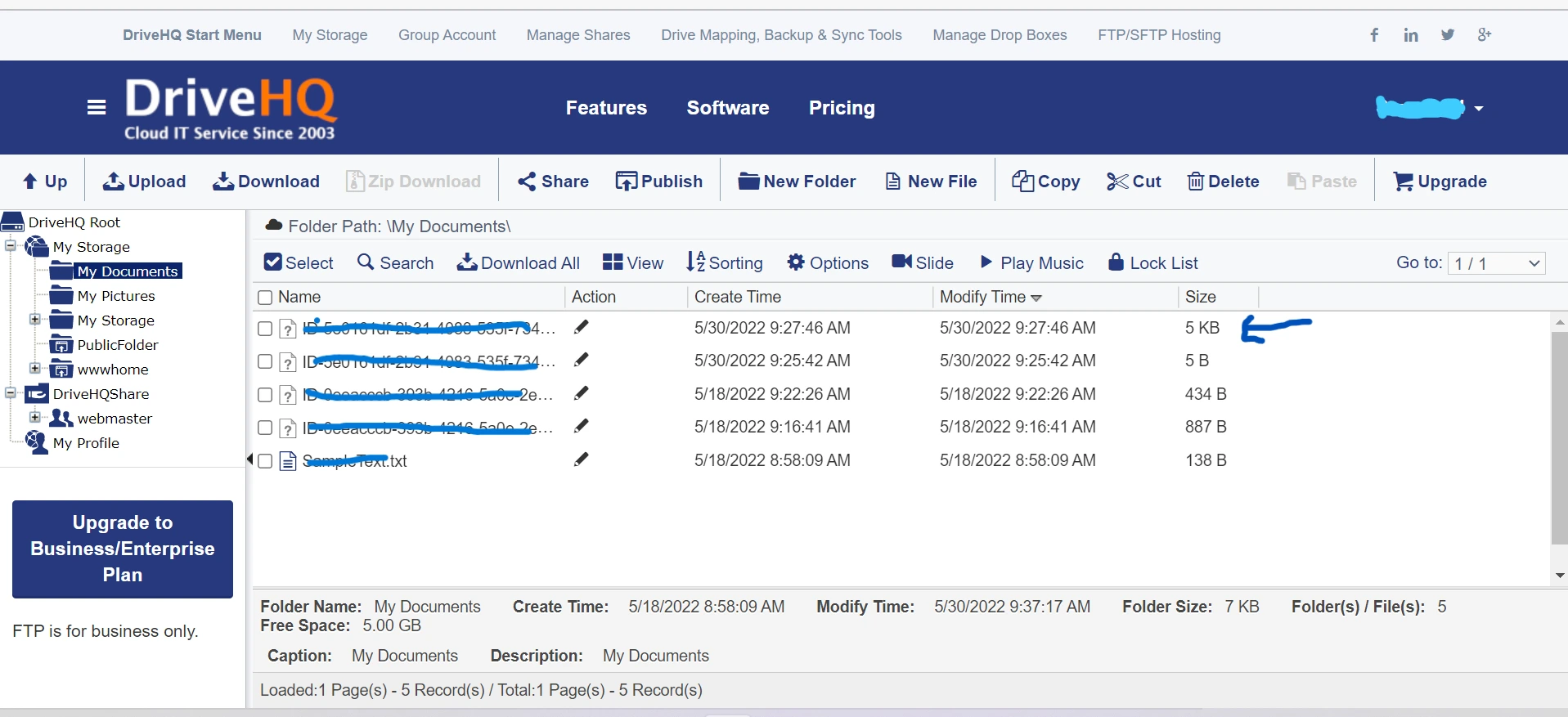
Configure an iflow in SAP CPI with HTTPS on sender side and FTP adapter on receiver side. FTP adapter can be configured to send file to DriveHQ as it provides virtual FTP server to store files. Deploy the iflow and copy the end point.


Note: Keep the Post method end point same as CPI iflow end point and don’t add that end point in target server url, it will add Post method end point and trigger an iflow.

Conclusion: SAP API Management supports API-led integrations across various parties and systems. It’s very interesting and simple to design APIs in Create in Designer section in OpenAPI Specification 3.0.1. This API helps to send file from your system to target system without using Postman.

SAP PO 7.5 to SAP Integration Suite Migration: Automate Testing with Payload Comparison
Automate your SAP PO 7.5 to SAP Integration Suite migration testing with Incture’s advanced test automation solution. As SAP Process Orchestration maintenance nears its deadline, streamline your transition by automating payload extraction, execution, and comparison between legacy PO and target Cloud Integration environments. Eliminate manual test creation, validate complex transformation logic, ensure regression safety, and accelerate your middleware modernization with scalable precision.

MuleSoft & Boomi Migration to SAP Integration Suite: Assessed, Automated, Validated
Migrate seamlessly from MuleSoft and Boomi to SAP Integration Suite with Incture’s end-to-end Migration Accelerator. Transition your APIs, integration flows, mappings, and connectors without operational disruption. Powered by a structured four-stage framework – Assess, Automate, Validate, and Govern our solution automates iFlow generation, converts complex mapping logic, and validates payloads to accelerate your middleware modernization and scale your digital SAP landscape efficiently.
